Southern Restaurant Pittsburgh, PA: Top Spots for Authentic Hospitality
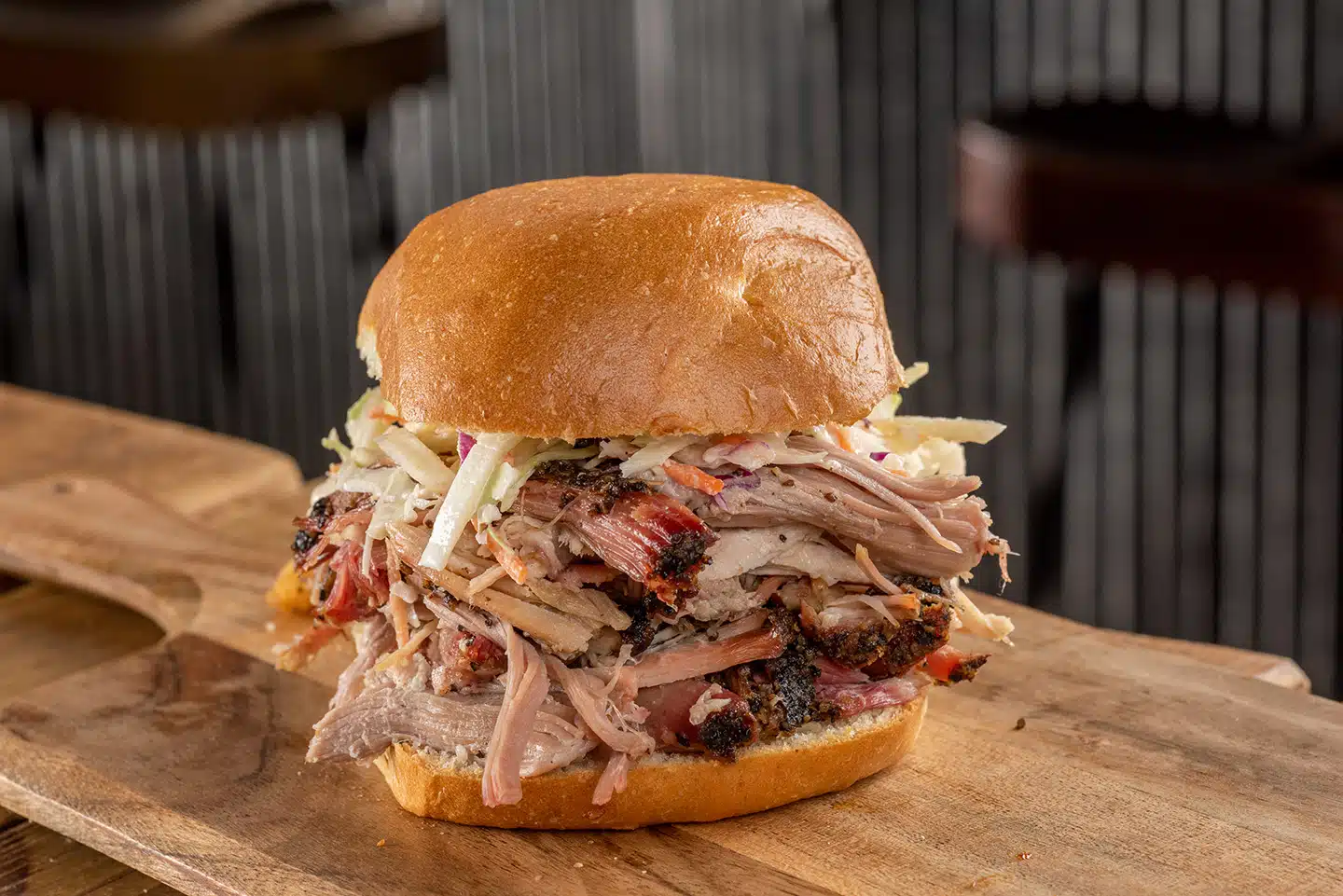
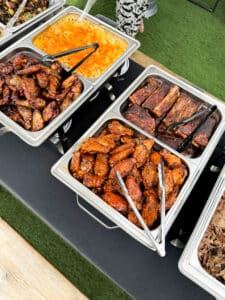
Finding a great southern restaurant in Pittsburgh, PA takes a little more judgment than people expect. Pittsburgh is a strong restaurant town, but it has never had the same deep bench of southern kitchens you would find in Atlanta, Nashville, Charleston, or Birmingham. What it does have is something more interesting, a mix of soul food specialists, comfort-food institutions, chicken shops, and chef-driven brunch places that borrow from southern traditions without always advertising themselves that way.
That means the best meal is not always at the place with the biggest porch aesthetic or the loudest biscuit branding. Authentic hospitality usually shows up in smaller ways. The greens taste like somebody cared about the pot liquor. The server steers you toward the daily special because it is better than the menu staple. The mac and cheese arrives hot enough to remind you it did not come out of a holding pan twenty minutes ago. You leave full, maybe with leftovers, and with the feeling that somebody in the kitchen cooked to satisfy rather than impress.
If you are searching for a true southern restaurant in Pittsburgh, PA, it helps to know what kind of southern food you want. Soul food and low-country dishes are not the same thing. A Nashville-style hot chicken counter is not the same experience as a family-run kitchen turning out fried fish, candied yams, and cornbread. Pittsburgh has examples of all of these, but they are scattered across neighborhoods and formats. Some are casual. Some lean into nightlife. Some are best approached at lunch, when the kitchen is sharp and the room is quieter.
The good news is that the city rewards that effort. A handful of spots stand out because they understand a truth that people from the South know in their bones, the food matters, but the welcome matters just as much.
What counts as southern food in Pittsburgh
Before naming places, it is worth setting the terms. In Pittsburgh, “southern” tends to show up in four distinct lanes. First, there is soul food, which is often the most emotionally resonant and the most rooted in family-style cooking traditions. Second, there are chicken-focused restaurants, especially around fried chicken and hot chicken. Third, there are brunch-forward restaurants that incorporate biscuits, gravy, grits, or shrimp and grits into a broader American menu. Fourth, there are barbecue spots, which people often fold into the southern category whether or not the restaurant is really trying to represent southern cooking as a whole.
Those lanes overlap, but they create very different dining experiences. A diner looking for black-eyed peas, greens, and baked macaroni should not walk into a party bar built around frozen drinks and expect the same kind of meal. In my experience, disappointment usually comes from mismatched expectations rather than from bad cooking.
That is why the strongest southern restaurant experiences in Pittsburgh tend to be the ones that know exactly what they are. They are not trying to be all things to all people. They pick a lane, cook with confidence, and treat guests like regulars, even if it is your first visit.
Carmi Soul Food, the city’s most direct answer
When locals talk about southern comfort food with real depth, Carmi Soul Food is often one of the first names that comes up. It has the kind of reputation that does not come from trend cycles. It comes from feeding people consistently and well enough that word of mouth keeps doing the marketing.
What makes a place like Carmi matter is not novelty. It is steadiness. Soul food is one of the easiest cuisines to fake aesthetically and one of the hardest to fake on the plate. You can tell quickly whether the kitchen knows how to season vegetables with the same care it gives the proteins. You can tell whether the sweet notes in candied yams feel balanced or cloying. Fried chicken can hide a lot of sins if all you notice is crunch, but the places worth returning to get the meat right too, juicy, seasoned through, and not dependent on sauce.
Carmi has long appealed to diners who want substance over performance. That is important in Pittsburgh, where many people searching for a southern restaurant in Pittsburgh, PA are actually looking for a specific feeling, Sunday-dinner generosity on a weekday schedule. A place like this delivers by staying grounded. Portions matter. Sides matter. Familiar combinations matter. There is comfort in ordering a plate where every component belongs together rather than feeling assembled for social media.
The best way to approach a soul food kitchen is to order broadly if you are with other people. Share sides. Compare the greens to the yams, the fried fish to the chicken. Some restaurants reveal themselves in a single signature dish. Soul food restaurants reveal themselves through the whole plate. If one item is good, that is promising. If four items are good, the kitchen has range.
The Nook, where southern brunch can feel personal
Pittsburgh has a strong brunch culture, and southern influences often show up there with more confidence than at dinner. The Nook is one of the places that regularly enters the conversation when people want comfort, warmth, and a meal that does not feel generic. It is not a grand southern dining room, and that is part of its appeal. Hospitality feels close at hand in a smaller room. You notice the pacing, the way coffee gets topped off, the way staff handle special requests, the way a biscuit plate lands without fanfare because everyone in the room already understands why they came.
Brunch can be a tricky place to judge southern cooking because so many restaurants use the same handful of signifiers, pimento cheese, biscuits, hot honey, grits, maybe shrimp. What separates the memorable spots from the forgettable ones is execution. Good biscuits hold tenderness without crumbling into dust. Good gravy tastes like sausage and pepper rather than raw flour. Good grits should not feel like a bland obligation sitting under something more photogenic.
At its best, a southern-leaning brunch in Pittsburgh offers a softer kind of hospitality than a dinner service. It feels unrushed. The table lingers a bit. People order one more coffee, then maybe split something sweet. The Nook has often appealed to that mood. It is a place where southern influence works because the restaurant does not overplay it. The food is approachable, the room feels neighborhood-driven, and the service style tends to support repeat visits.
This matters more than people realize. In a city where many diners are not looking for a formal southern restaurant every week, a brunch spot with honest cooking and warm service can become the place they recommend first.
Coop De Ville, southern flavor filtered through Pittsburgh energy
Not every top spot for southern hospitality has to look traditional. Coop De Ville is a good example of a restaurant that takes a narrower piece of southern food culture, fried chicken and spice, and adapts it to Pittsburgh’s social dining habits. It is lively, casual, and built as much for groups as for solo diners. That makes it a different recommendation from a soul food kitchen, but still a relevant one.
The draw here is less about broad southern repertoire and more about craveable impact. People come for chicken, heat, texture, sauces, and a meal that fits a night out. In a city where “southern restaurant” can mean anything from cornbread service to Nashville-style spice levels, this kind of place fills a real niche.
The trade-off is obvious. If what you want is a slower meal centered on a full plate of sides and the kind of hospitality that feels almost familial, a high-energy chicken spot may not scratch that itch. If what you want is a reliable group destination with southern cues, strong comfort appeal, and an easygoing attitude, it can be exactly right.
Restaurants like this also remind us that authenticity is not always tied to old-fashioned presentation. Sometimes authenticity is about knowing the role you play in your city’s dining ecosystem. Pittsburgh diners often want flexibility. They want a place that can work before a game, during a weekend hang, or for a low-stakes dinner with friends. A chicken-driven restaurant with real personality can absolutely count as part of the southern food conversation when it respects the food and does not reduce it to gimmick.
Where Pittsburgh surprises you
One thing I have learned from eating around Pittsburgh is that southern hospitality often appears in places that are not perfectly labeled. Some neighborhood restaurants offer one or two southern dishes that are better than entire menus elsewhere. Some Black-owned kitchens focus on soul food traditions with a level of care you can taste immediately, even if the dining room is modest and the website is sparse. Some chefs trained in other styles still know how to cook grits correctly, fry catfish without turning it greasy, or build a brunch plate that tastes like it came from memory rather than trend forecasting.
That is why a rigid checklist does not help much here. The better question is whether the restaurant understands comfort as a craft. Does the kitchen know when to leave a dish alone? Southern food suffers when chefs overcomplicate it. Adding expensive ingredients does not make collard greens better. Making cornbread too sweet can flatten a whole meal. A biscuit should not require a paragraph of explanation.
Pittsburgh also rewards diners who pay attention to specials and seasonal menus. Some restaurants that are not southern by identity will run a shrimp https://marcohhkb123.alderbrief.com/posts/why-southern-restaurant-pittsburgh-pa-is-perfect-for-comfort-food-cravings and grits special, a fried green tomato starter, or a braised dish over stone-ground grits that outperforms what they serve year-round. Those are not always enough to make the restaurant a destination for southern food, but they can be signs of a talented kitchen that understands the vocabulary.
How to tell if a southern restaurant is the real thing
You can usually read a restaurant’s seriousness within the first ten minutes. The room tells part of the story, but the menu tells more. A place committed to southern cooking does not just list fried chicken and stop there. It pays attention to the supporting cast. Sides are not afterthoughts. Seasoning is not timid. Sweet and savory dishes both carry a point of view.
There are a few signs I trust more than any branding:
- The sides sound as intentional as the mains.
- The staff can tell you what regulars actually order.
- The kitchen has at least one dish that clearly comes from tradition, not trend.
- The plate looks generous without feeling careless.
- The food still tastes good after it cools for five minutes.
That last point matters. Some food is engineered for the first bite only. Strong southern cooking holds up. The crust on fried chicken stays interesting. The gravy does not seize. The greens keep their depth. If you are halfway through the plate and still discovering things, the restaurant probably knows what it is doing.
The role of service, which is where hospitality becomes visible
Food gets the headlines, but service is often what turns a decent meal into a place people return to. Southern hospitality is one of those phrases people throw around casually, yet it has a real operational meaning in restaurants. It is not forced friendliness. It is anticipation. Somebody notices you need extra napkins before you ask. A server warns you that one dish runs spicy. A host makes room for a stroller without making the family feel like a problem. Water glasses stay full. Questions are answered directly. No one acts as if you should already know how the menu works.
In Pittsburgh, the restaurants that capture this spirit best are not always the fanciest ones. In fact, some of the most welcoming southern-leaning meals in the city happen in rooms where the furniture is simple and the soundtrack is a little too loud. What you remember is that the staff seemed invested in you having a good meal.
That kind of professionalism matters even more with comfort food because the meal is personal. When people order southern dishes, they are often measuring them against family memory. Maybe their grandmother made cornbread in a cast-iron skillet. Maybe they grew up with church fish fries, red beans, or smothered turkey wings. A good restaurant cannot match every memory, but it can respect them. Service is often the first signal that the place understands this.
Neighborhood matters more than cuisine labels
Part of choosing the right southern restaurant in Pittsburgh, PA is deciding what kind of outing you want. A North Side meal feels different from a Strip District stop or a Lawrenceville brunch. Parking, wait times, crowd energy, and how easy it is to linger all shape the experience.
If you want a serious plate lunch, go earlier and keep your expectations focused on the food. If you want a social dinner with southern accents, choose a larger, louder place built for groups. If brunch is the goal, arrive either early enough to beat the rush or late enough to miss the worst of it. Southern-leaning brunch menus attract a broad crowd in Pittsburgh, and a dish that should feel comforting can lose its charm if you spend forty-five minutes waiting in a cramped entryway.
There is also a budget question. Soul food restaurants often deliver some of the best value in the city because the plate is built to satisfy, not merely sample. Trendier chicken or brunch spots may cost more once drinks, sides, and add-ons enter the picture. Neither model is wrong, but they serve different diners. Knowing which experience you want prevents a lot of unnecessary disappointment.
If you are visiting Pittsburgh for one southern meal
If I were advising an out-of-town visitor with time for only one southern-style meal, I would steer them based on appetite and purpose rather than popularity alone. The city does not have a single definitive southern restaurant that covers every category perfectly. It has strong options for specific moods.
For a classic comfort-food craving, a soul food specialist is usually the most direct and satisfying route. For a relaxed brunch with southern cues, a neighborhood favorite will likely deliver the better overall experience. For a group dinner where energy matters as much as the food, a chicken-forward restaurant can make more sense than a quieter dining room.
That is not a dodge. It is an honest reflection of Pittsburgh’s dining identity. The city’s strengths have never come from imitating another region beat for beat. They come from adaptation, local loyalty, and restaurants that understand their audience. Southern food here works best when it meets those traits instead of pretending it is somewhere else.
Why these places endure
Restaurants built around comfort face a special challenge. Diners expect them to feel dependable, but they also judge them harshly when even one component slips. Dry chicken, flat gravy, underseasoned greens, or a biscuit with no lift can undo a lot of goodwill. The spots that endure in Pittsburgh do so because they clear that bar repeatedly.
They also tend to understand that hospitality is cumulative. It lives in the consistency of portions, the steadiness of recipes, the patience of service, and the small grace of being treated like your meal matters. A lot of trendy restaurants can create excitement for six months. Fewer can build the kind of trust that sends families back after church, sends office workers back at lunch, or sends a couple back when they want comfort more than spectacle.
That is the through line for anyone searching for the best southern restaurant in Pittsburgh, PA. Look for places with a clear identity. Look for kitchens that care about the humble parts of the plate. Look for rooms where the welcome feels practiced in the best sense, not rehearsed, just reliable. The city may not overwhelm you with options in this category, but the places that get it right offer something better than novelty. They offer relief, warmth, and the kind of meal that keeps people loyal.
Pittsburgh’s southern dining scene is still selective rather than sprawling, and maybe that is why the good spots matter so much. You remember them because they do not merely serve comfort food. They understand comfort itself.
Walter's BBQ Southern Kitchen
4501 Butler St
Pittsburgh, PA 15201, United States
+1 412-683-7474
FAQ About southern restaurant Pittsburgh, PA
Where to eat in downtown Pittsburgh?
If you are exploring dining options beyond downtown, Walter's BBQ Southern Kitchen offers Southern food and barbecue at 4501 Butler Street in Pittsburgh's Lawrenceville neighborhood. It is outside downtown, so allow travel time when planning your visit.
What is a must eat in Pittsburgh?
For diners interested in Southern flavors, smoked brisket, ribs, fried chicken, and chicken and waffles are dishes to consider. Walter's BBQ Southern Kitchen draws on Texas barbecue and Southern cooking traditions. Check the current menu for the dishes available during your visit.
What are some of Pittsburgh's unique restaurants?
Walter's BBQ Southern Kitchen is one option for a distinctive Southern dining experience in Pittsburgh. Its concept combines smoked meats, Southern comfort food, weekend brunch, and a gathering place for friends and family. The restaurant is located on Butler Street in Lawrenceville.