Signature Items You Shouldn’t Miss at Cuban Bakery Aurora CO
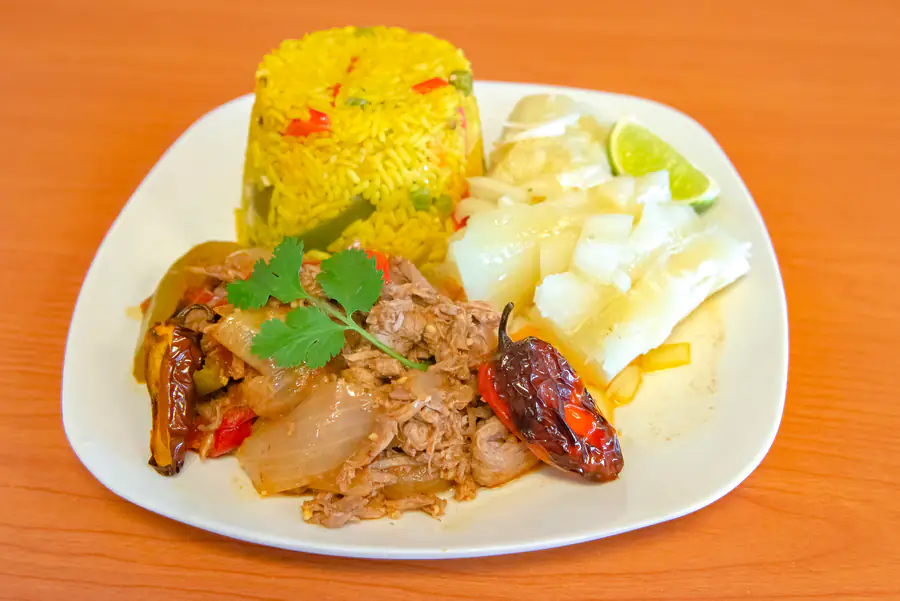
Walk into a good Cuban bakery at the right hour and you notice the pace before anything else. Trays slide out of ovens, someone behind the counter answers three questions without missing a beat, and the air carries butter, sugar, espresso, and toasted bread all at once. That rhythm matters because Cuban baking is not just about sweetness. It is about timing, texture, and the practical business of feeding people well, whether they came in for breakfast, a midday sandwich, or a box of pastries to bring home.
That is what makes a strong Cuban bakery Aurora CO destination worth seeking out. The best items are not random shelf fillers. They reflect a working tradition shaped by Spanish baking, Caribbean ingredients, café culture, and the habits of everyday customers who know exactly what they came for. Some people head straight for the pastelitos. Others never deviate from a Cuban sandwich and a small, powerful cup of coffee. If you are trying to decide what deserves your attention first, it helps to know which items carry the bakery’s identity.
What follows is not a generic bakery roundup. These are the signature things that usually separate a memorable Cuban bakery from a place that simply offers a few Latin pastries in a display case. If you want the full experience, these are the items that should be on your radar.
The first thing to understand about a Cuban bakery case
A Cuban bakery case can look deceptively familiar if you have spent time around American bakeries or panaderías from other Latin traditions. You may see turnovers, cakes, cookies, breads, and sandwiches and assume you already know the drill. Then you take a bite and realize the priorities are different.
Sweetness is often balanced by salt, flake, or richness. Savory pastries are just as important as dessert. Coffee is not an afterthought. Even the breads that seem plain at first glance exist to support texture, especially the crisp outer crust and soft interior that define a proper Cuban sandwich roll. The best shops also move their products quickly, which matters more than people realize. A guava pastry that has been sitting too long loses the contrast between airy layers and sticky filling. Cuban bread is at its peak when the crust still has life.
That is why regulars tend to buy with a little strategy. They come early for certain pastries, know which items travel well, and understand that some things are better eaten right away, standing at a counter with coffee in hand.
Pastelitos de guayaba, the pastry most people remember first
If there is one pastry that introduces people to Cuban baking in the gentlest, most persuasive way, it is the guava pastelito. At a glance, it resembles a simple puff pastry turnover or a rectangular Danish. In practice, a good one has far more going on. The pastry should shatter slightly at the edges, then give way to tender inner layers. The guava filling should taste like fruit, not just sugar, with that distinctive tropical tang that sits somewhere between strawberry jam and quince paste, yet not exactly either.
At many Cuban bakeries, pastelitos de guayaba come in a few forms. Some are narrow strips folded over the filling. Others are pinwheels or squares. The best versions are not overloaded. Too much filling floods the pastry and turns everything soggy. Too little and you are left eating sweet laminated dough without contrast. The ideal ratio is enough guava to perfume every bite while letting the pastry remain the main structural element.
A particularly good variation includes cream cheese, which softens the guava’s intensity and adds a mild dairy note. This version tends to win over people who think they do not like fruit pastries. It is richer and rounder, and with coffee it is hard to beat. If you are new to a Cuban bakery Aurora CO shop, start here. It is widely loved for a reason.
Meat pastries that prove Cuban bakeries are not just for dessert
Many first time visitors make the mistake of ordering only sweets. That usually changes the moment they notice how quickly savory pastries move. In a serious bakery, these are not token options for people who “aren’t in the mood for sugar.” They are central to the menu.
Beef pastelitos are the classic example. The filling is often seasoned with onion and spices, sometimes with the faint sweet savory note that comes from a touch of tomato or the style of picadillo used in many Cuban kitchens. The pastry should still be flaky, but the experience is different from a guava pastry. Here you want a clean, warm, satisfying bite that feels substantial enough to count as a light meal.
Ham and cheese pastries are another staple, and their success depends on restraint. Cheap versions become greasy and one note. Better ones manage a salty, creamy interior with enough structure to keep the layers distinct. Chicken fillings can be excellent too, especially when they stay moist without turning heavy.
One thing experienced bakery customers know is that savory pastries have a narrower ideal window than many sweets. They are best warm, or at least recently baked. If you arrive in the middle of a slow afternoon, it is worth asking which ones came out most recently. That is not being difficult. It is how you get the item as the bakery intended it.
The Cuban sandwich, where the bread has to carry its weight
A bakery can offer a respectable pastry case and still reveal its true quality through the sandwich station. The Cuban sandwich is the test. Not because it is complicated, but because every weak point shows.
The bread matters first. Cuban bread should be light in the center, with a crust that can crisp on the press without becoming hard or dry. A roll that is too dense turns the sandwich into work. A roll that is too soft collapses under heat and filling. The balance is delicate. You want pressure, crunch, and give in the same bite.
Inside, the standard combination is roasted pork, ham, Swiss cheese, mustard, and pickles. On paper that sounds simple. In reality, each ingredient has a job. The pork brings depth and moisture. The ham contributes salt and clean pork flavor. Swiss melts into the crevices and rounds off the sharper edges. Mustard cuts through richness. Pickles add the acid that keeps the whole thing from feeling heavy. Once pressed, these parts become more than a stack of ingredients. They become a single texture with contrast built into it.
A great Cuban sandwich should feel hot and crisp on the outside, juicy in the center, and proportioned so no one ingredient dominates. Too much mustard overwhelms. Too many pickles throw off the balance. Dry pork ruins the experience. If a Cuban bakery in Aurora gets this sandwich right, that tells you a lot about the kitchen’s standards.
Croquetas, small items with no room for shortcuts
Croquetas are easy to underestimate because they are often sold as quick snacks, side items, or add-ons to breakfast. They should not be overlooked. They are among the most revealing foods in a Cuban bakery.
A well made croqueta has a delicate breadcrumb coating that crisps without becoming thick or oily. The interior should be creamy, savory, and cohesive, not gluey. Ham croquetas are the classic, with a silky béchamel style filling that tastes of cured meat, pepper, and butter. Chicken versions can be equally good. Some bakeries branch out into cod or cheese, though the standards vary.
The key issue is frying. A croqueta held too long after cooking loses the shell that makes it special. A croqueta pulled too early tastes pasty and underdeveloped. The best ones break open with a soft release of steam and a center that almost spreads when hot. With coffee in the morning or tucked beside a sandwich for lunch, they make immediate sense.
There is also a cultural point here. Croquetas belong to that category of foods people grow up grabbing without ceremony, before work, after school, on the way to something else. When a bakery executes them well, it signals everyday competence, not just showpiece baking.
Café Cubano, small cup, serious role
You can order the best pastry in the case and still miss half the experience if you skip the coffee. Cuban bakery culture and coffee culture are tightly connected. The coffee is not merely available. It is part of the bakery’s rhythm and often part of the reason people visit so frequently.
Café Cubano is typically small, dark, sweet, and concentrated. The sweetness should not flatten the coffee. Done well, the sugar amplifies body and smooths bitterness without erasing the roasted character. It is meant to be strong, and that is part of the pleasure. One small cup can reset an afternoon.
Then there is the cortadito, often the smartest order for people who want balance. It keeps the espresso base but softens it with steamed milk. If you like a more generous milk to coffee ratio, a café con leche is the natural move, especially in the morning with toast or pastries.
At a busy Cuban bakery Aurora CO location, watch how many orders include coffee almost automatically. That habit says something. These foods were built to be eaten with coffee, not beside it by accident. The sugar in a guava pastry, the salt in a ham croqueta, the richness of a pressed sandwich, all become sharper and more complete next to a well made cup.
Cuban bread, the quiet foundation behind several best sellers
Bakery customers often chase the flashy items first, which is understandable. Filled pastries and pressed sandwiches draw the eye. Yet the bread itself is where a lot of credibility lives.
Cuban bread is deceptively modest. It is usually long, pale golden, and less glossy than some https://manuelukmv147.fairmontdigest.com/posts/the-best-cuban-bakery-experience-in-aurora-co-starts-here enriched loaves. A good loaf has a thin crust with a crisp bite and a soft, almost cottony interior. It should tear cleanly, not crumble apart. Freshness matters more here than in many artisan breads because the texture changes fast. Bread made in the morning is often best eaten the same day.
This is the bread behind the Cuban sandwich, but it also shines in simpler forms. Toasted with butter for breakfast, split for a quick ham sandwich, or served alongside eggs and coffee, it reveals why bakeries that make their own bread develop loyal followings. The bread is not trying to impress with complexity. It is trying to do a job perfectly.
That kind of discipline is underrated. In baking, simple products expose flaws faster than decorated ones. A loaf with weak structure, poor fermentation, or stale crust cannot hide behind frosting or filling. When the bread is right, nearly everything else on the menu gets stronger.
Flan and tres leches, desserts that finish the story
Not every Cuban bakery puts equal emphasis on plated desserts or refrigerated sweets, but when they do, flan and tres leches usually lead the category.
Flan should be smooth and lightly trembling, with a caramel top that tastes bittersweet rather than burnt. The texture is where many versions fail. Overbaked flan becomes rubbery. Underbaked flan turns loose and grainy. A proper slice feels cool, dense enough to hold shape, and silky on the tongue. It is a dessert that rewards patience and restraint.
Tres leches is a different pleasure entirely. Made well, it is moist without turning soupy, sweet without becoming exhausting, and airy enough that the milk mixture enhances rather than suffocates the cake. This balance takes practice. It is easy to make a version that looks generous but eats heavy. Better bakeries keep the crumb open, the soak even, and the topping modest.
If you are ordering for a group, these desserts travel more predictably than delicate pastries and can appeal to people who are less familiar with Cuban bakery offerings. They are familiar enough to feel accessible while still carrying the bakery’s distinct style.
A few items that regulars often add without thinking
Some foods rarely get top billing but become habits once people know the menu. These are the kinds of things you notice in repeat customers’ orders.
- tostada cubana, often served with butter and coffee, especially in the morning
- empanadas or stuffed pastries, depending on the bakery’s daily production
- cookies and tea biscuits that pair well with take home coffee breaks
- seasonal cakes or celebratory pastries for birthdays and family gatherings
- breakfast combinations built around eggs, bread, and ham or croquetas
The point is not that every bakery will carry all of these every day. It is that Cuban bakeries often function as neighborhood food hubs, not just pastry counters. People stop in for a snack one day, then come back for breakfast, then place an order for a family event. The menu reflects that wider role.
How to order strategically if you want the best first visit
A smart first visit is less about ordering a huge spread and more about choosing across categories. That gives you a better sense of what the bakery actually does well. In my experience, one sweet item, one savory pastry, one sandwich or bread based item, and one coffee order reveal far more than a box full of random sweets.
Timing helps. Morning usually gives you the best shot at fresh bread, warm pastries, and the full coffee rhythm. Lunchtime is ideal if the sandwich station is a priority. Late afternoon can still be rewarding, but it is when freshness starts to separate strong bakeries from average ones.
If you want a practical starting point, this combination covers the essentials:
- a guava or guava and cheese pastelito
- a beef or ham croqueta
- a pressed Cuban sandwich
- a café Cubano or cortadito
- a flan or tres leches slice to take home
That order works because it shows the bakery from multiple angles: pastry handling, savory filling, bread quality, pressing technique, coffee preparation, and dessert balance. If all of those land well, you are in capable hands.
What sets a memorable Cuban bakery apart in Aurora
Aurora has the kind of dining landscape where a bakery cannot rely on novelty for long. Customers return for consistency, freshness, and a sense that the place understands the food at a lived in level. That is especially true for a Cuban bakery. The items may look simple on the surface, but they depend on judgment. How long to proof the bread. How much filling to place in a pastry. When to pull croquetas. How sweet to make the coffee. How much pressure to use on the sandwich press. None of those decisions are dramatic, yet each one changes the final result.
That is why the signature items matter so much. They are not just popular products. They are proof of method. A flaky guava pastelito tells you the dough was handled properly. A balanced Cuban sandwich tells you the bread and fillings were respected. A smooth flan tells you someone paid attention all the way through the bake and chill. These foods carry skill in a very direct way.
For anyone seeking out a Cuban bakery Aurora CO experience, the best approach is simple. Go hungry enough to sample both sweet and savory. Order coffee with intent, not as an afterthought. Pay attention to the bread. If the bakery gets the foundational items right, the rest of the menu usually follows suit.
And if you find a place where the pastry flakes cleanly, the sandwich crackles under the press, the coffee arrives dark and fragrant, and people at the counter seem to know exactly what they want before they reach the register, stay a little longer. That is usually where the signature items are doing exactly what they are supposed to do.
Cuba Bakery & Café
15028 E Mississippi Ave, Aurora, CO 80012
+1 303-752-2822
FAQ About Cuban bakery Aurora CO
What are Cuban pastries called?
Many small Cuban pastries are called pastelitos. They can have sweet or savory fillings, such as guava, cheese, guava and cheese, or seasoned meat. Cuba Bakery & Café lists guava, cheese, guava-and-cheese and beef pastries on its menu. Ask the bakery about current availability and ingredients when ordering.
What are traditional Cuban pastries?
Common Cuban bakery choices include flaky pastelitos filled with guava, cheese or meat. Cuban bakeries may also offer empanadas, breads and desserts alongside coffee. Cuba Bakery & Café lists pastelitos, several empanada fillings, pan Cubano and desserts such as tres leches and bread pudding. Selection can vary, so confirm the day's choices with the bakery.
What makes Cuban bread different?
Cuban bread is known for its light interior and a thin crust that becomes crisp when toasted or pressed. Traditional recipes often use lard, although ingredients vary by baker. It is commonly served as buttered toast or used for Cuban sandwiches. Cuba Bakery & Café lists pan Cubano and tostada on its menu; ask staff about the ingredients in their bread if you have dietary restrictions.