One-Pan Drunken Noodles for Quick Homemade Meals
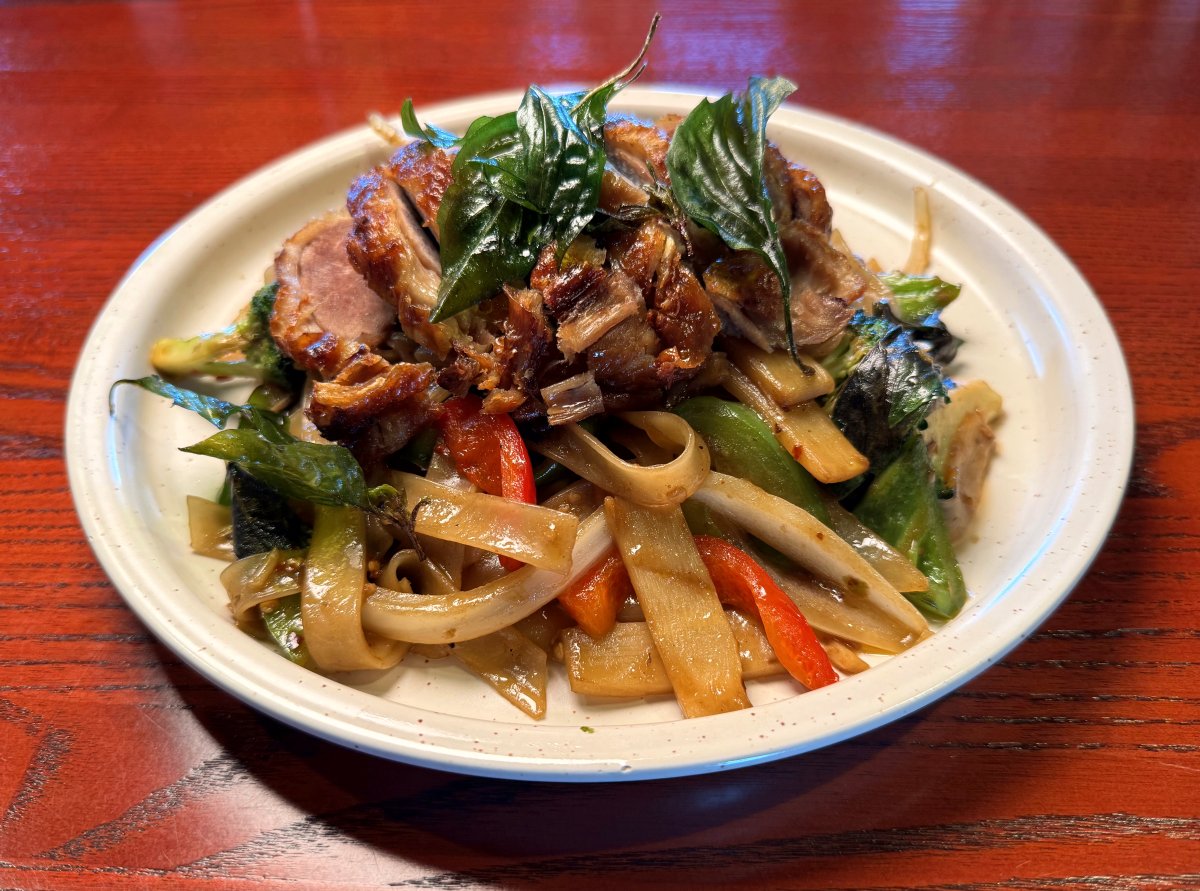
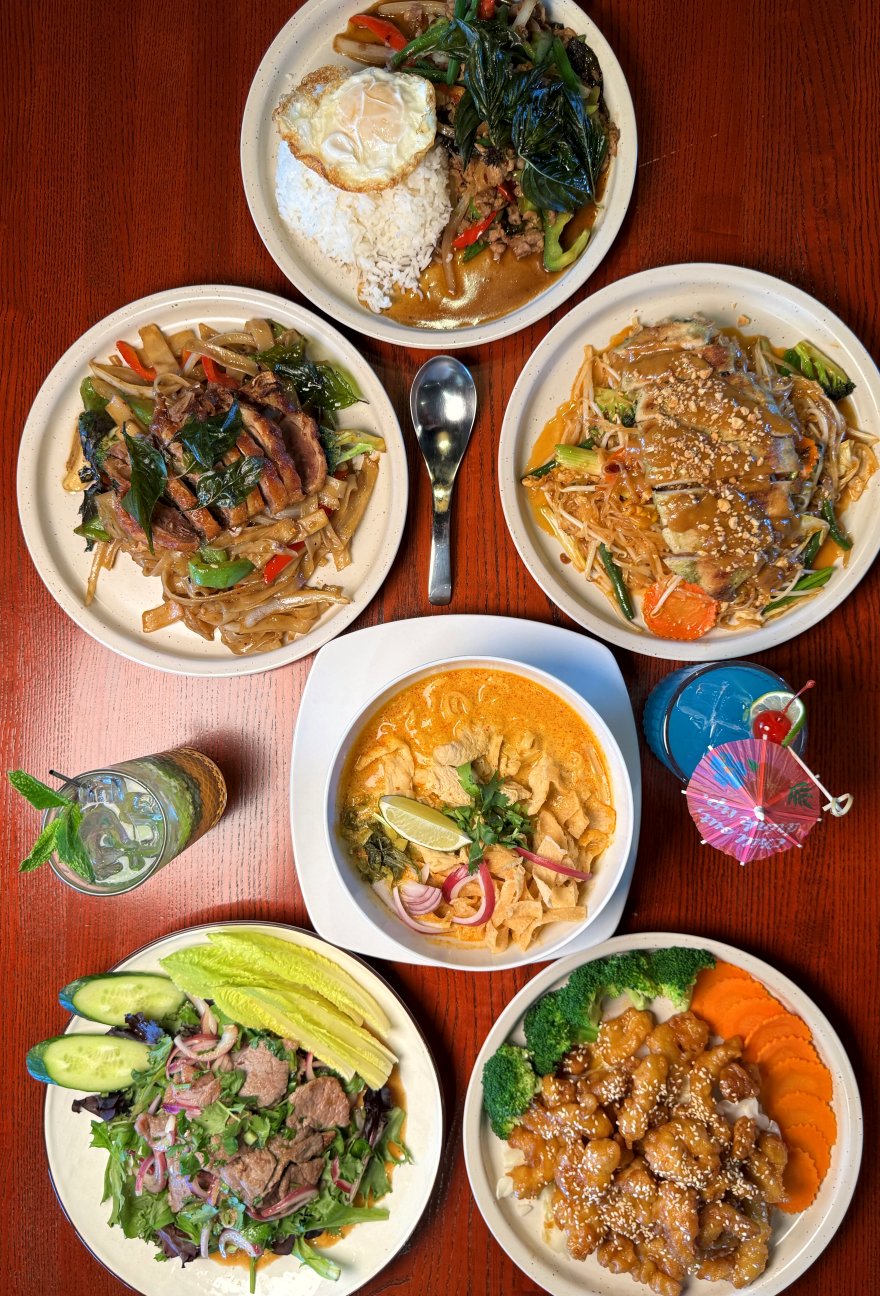
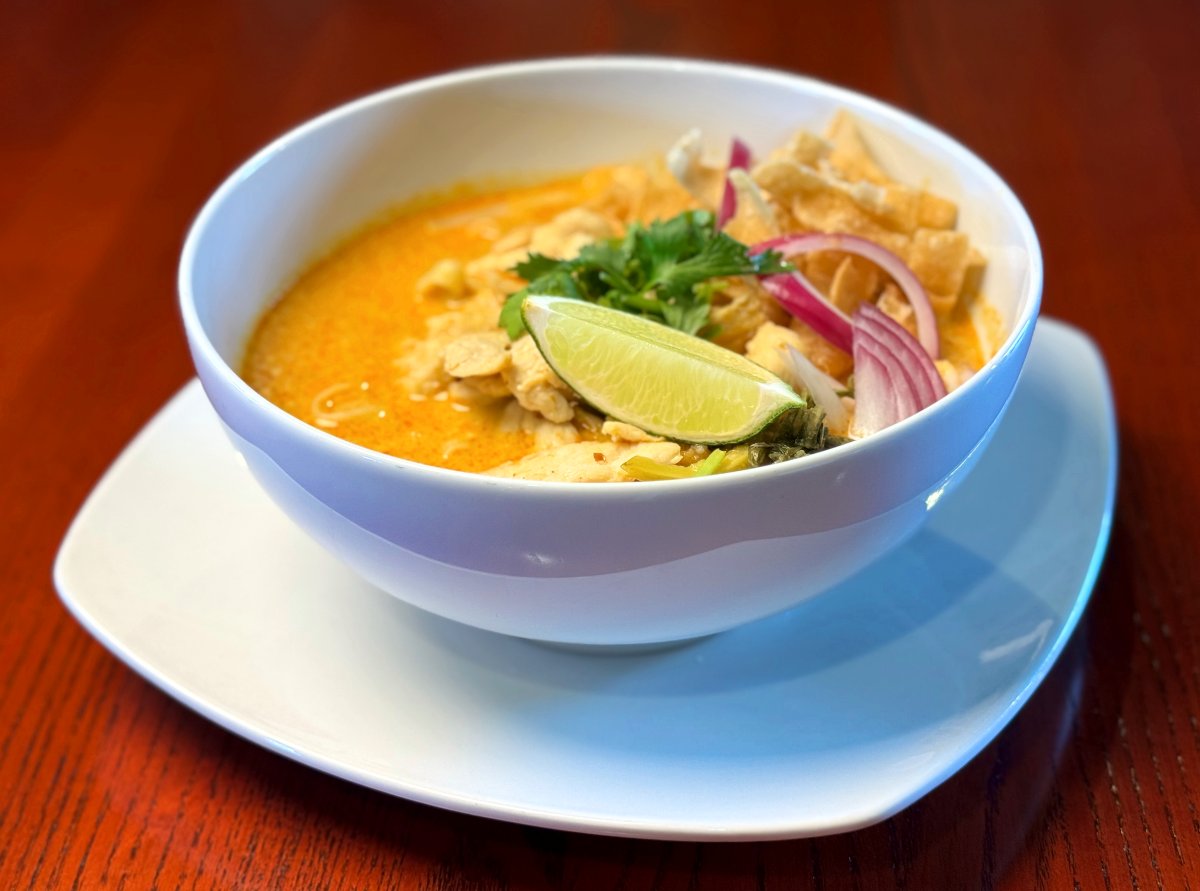
There are weeknight dinners that merely get food on the table, and then there are weeknight dinners that feel like a small rescue. One-pan Drunken Noodles belongs firmly in the second category. It is fast without tasting rushed, deeply savory without demanding a long ingredient list, and flexible enough to work with whatever protein or vegetables happen to be in the refrigerator. Most importantly, it delivers the kind of chew, char, heat, and aromatic lift that usually makes people assume takeout is the better option.
That assumption falls apart the first time you make a good batch at home.
Drunken Noodles, often associated with the Thai dish pad kee mao, have a reputation for big flavor and a little swagger. Wide noodles catch a glossy sauce, basil hits the pan at the last minute, and the whole dish lands somewhere between stir-fry and comfort food. The version here is built for a home kitchen, not a restaurant line. It keeps the spirit of the dish while trimming friction. One pan, one burner, one dinner that comes together quickly if you understand where the real work happens.
The real work is not in the cooking. It is in the setup.
Once the pan is hot, this dish moves in minutes. That is what makes it excellent for quick homemade meals, and also what ruins it for people who start slicing garlic after the oil is already shimmering. A rushed stir-fry punishes hesitation. The noodles overcook, the sauce turns muddy, the basil blackens, and the vegetables steam instead of sear. A smooth stir-fry, on the other hand, feels almost suspiciously easy.
What makes Drunken Noodles worth making at home
A lot of quick dinners ask you to settle. You get speed, but not texture. You get convenience, but not depth. Drunken Noodles can give you both if you pay attention to a few details. The sauce has sweet, salty, savory, and spicy elements in balance. The noodles should stay springy, never mushy. The vegetables should retain some bite. The basil should perfume the whole pan instead of disappearing into the background.
That balance is easier to hit at home than many people think. In restaurants, the dish often depends on very high heat and a wok burner powerful enough to create smoky edges in seconds. Most home kitchens do not have that kind of heat, but they do have something equally useful, control. You can build flavor carefully, keep the sauce from scorching, and decide exactly how spicy or salty you want the final bowl to be.
There is also the matter of scale. A restaurant cook can turn out several https://eduardovago195.evercolumn.com/posts/the-ultimate-comfort-bowl-drunken-noodles-at-home orders with speed because the station is prepped. At home, making one or two servings in a single large skillet or sauté pan can actually be simpler. Fewer moving parts, less cleanup, and no second pan full of boiled noodles to wash later.
The one-pan approach
Traditional noodle dishes often involve a separate pot for boiling and a separate wok or skillet for finishing. That method works, but it creates more cleanup and one more place for things to go wrong. With a one-pan version, you can soften the noodles, build the sauce, cook the protein, and finish the vegetables in the same vessel, provided you choose your pan carefully and manage moisture well.
A wide skillet, sauté pan, or wok-like pan with enough surface area is ideal. Surface area matters more than depth here. Crowding is the enemy of good Drunken Noodles. If the ingredients pile on top of each other, they release steam and turn soft. If they have space, they sear, blister, and keep their texture.
Rice noodles are usually the best fit for this style. Fresh wide rice noodles are excellent if you can get them, but dried wide rice noodles are much easier to find and work well with a little care. The one-pan trick is to soften them without reducing them to paste. In practice, that means soaking or simmering just until pliable, then letting the final cooking happen in the sauce.
Ingredients that pull their weight
The beauty of Drunken Noodles is that the ingredient list can stay compact while still producing a full-flavored dish. Each component has a clear job to do.
For a dependable home version, gather these:
- Wide rice noodles, about 8 to 10 ounces for two to three servings
- A quick-cooking protein such as thinly sliced chicken, shrimp, tofu, or ground pork
- Garlic, fresh chiles, onion, and one or two vegetables such as bell pepper, broccoli, or green beans
- Soy sauce, oyster sauce, fish sauce, and a small amount of sugar
- Thai basil if possible, or regular basil in a pinch
That short list hides a lot of complexity. Soy sauce provides salt and body. Oyster sauce brings sweetness and depth. Fish sauce gives the dish its unmistakable savory backbone. Sugar is not there to make the dish sweet, but to round the sharper edges and help the sauce glaze the noodles. Basil changes everything at the end. Without it, the dish can still be tasty, but it loses that high, peppery finish that keeps the richness from feeling heavy.
If you are cooking for people with dietary restrictions, there is room to adapt. A vegetarian version can lean on mushrooms and tofu, with vegetarian oyster-style sauce and a fish sauce substitute. A gluten-free version is possible if you use gluten-free soy sauce and verify the other bottled sauces. The point is not strict authenticity in every bottle choice. The point is preserving the salty, savory, lightly sweet, basil-driven profile that defines the dish.
The sauce should be assertive before it meets the noodles
One of the most common mistakes in homemade noodle dishes is underseasoning the sauce. People taste a spoonful and think it seems too salty or too intense, then dilute it. That instinct is understandable, but it is usually wrong. Noodles absorb flavor. Vegetables release water. Protein softens sharp edges. A sauce that tastes a little too bold in the bowl often tastes exactly right once everything is tossed together.
As a practical baseline, a two- to three-serving batch usually lands well with a sauce made from roughly 2 tablespoons soy sauce, 1 1/2 tablespoons oyster sauce, 1 tablespoon fish sauce, and 1 to 2 teaspoons sugar, plus a splash of water if needed. Heat can come from fresh bird's eye chiles, red pepper flakes, or a chili paste you already trust. Start smaller than you think if you are cooking for a mixed group. Heat is easy to add at the end, impossible to remove once it has taken over the pan.
A small note from experience, bottled sauces vary more than recipe writers sometimes admit. Some soy sauces are saltier. Some oyster sauces are sweeter and thicker. Some fish sauces are aggressive enough that a teaspoon changes the entire dish. Taste with curiosity, not with blind faith.
How to cook it without losing the plot
A one-pan version works best when you think in phases rather than steps. Soften the noodles. Brown the protein. Build the aromatics. Add vegetables. Return the noodles with the sauce. Finish with basil. That sequence keeps the pan hot and the ingredients distinct.
Here is the process in a compact form:
- Soften the rice noodles according to the package, or simmer them briefly in the pan until just pliable, then drain and set aside.
- Heat oil in a large skillet or sauté pan, cook the protein until nearly done, and remove it if the pan is getting crowded.
- Add garlic, chiles, and onion, then stir-fry briefly before adding the vegetables.
- Return the noodles and protein with the sauce, tossing over high heat until glossy and well coated.
- Turn off the heat, fold in the basil, and serve immediately.
Those five lines look simple because the nuance lives in timing. Garlic should hit the oil for seconds, not minutes. Chiles need enough heat to bloom but not enough to turn bitter. Vegetables should retain shape and some crispness. Noodles should be tossed just until warmed through and lacquered with sauce. If you keep stirring long after the sauce has coated everything, the noodles begin to break down and clump.
This is one of those dishes where “high heat” needs translation for a home stove. On many burners, medium-high is closer to the truth. If your pan starts smoking before the ingredients go in, you are too hot. If onions sit there quietly and sweat instead of sizzling, you are too cool. The right heat sounds lively and steady.
Choosing the right noodles
Fresh rice noodles are wonderful in Drunken Noodles. They have a soft, bouncy chew and only need a short warm-up in the pan. If you buy them refrigerated, separate them gently before cooking. A little oil on your hands can help. Cold, compacted noodles dropped straight into a hot pan tend to break apart unevenly.
Dried rice noodles are more forgiving from a pantry standpoint, but they require attention. Different brands vary in width and starch content, so package directions are useful but not infallible. I have had one brand turn perfect after a 20-minute soak in hot water, and another stay rigid until it got a quick simmer. The safest target is underdone rather than fully tender. If the noodles are still a bit firm before they meet the sauce, they usually finish beautifully in the pan.
If rice noodles are unavailable, wide wheat noodles can produce a satisfying dish, though the result moves away from the traditional character of pad kee mao. The sauce and basil profile still works, but the chew and surface texture will be different. That is not failure. It is adaptation.
Protein choices and how they change the dish
Chicken is a classic choice because it cooks quickly and takes on sauce well. Thin slices of thigh meat stay juicier than breast, especially under high heat. Shrimp brings sweetness and speed, but it overcooks in a heartbeat, so it should be added late or removed from the pan the moment it turns opaque. Ground pork gives the dish a richer, more savory feel, and its rendered fat can become part of the sauce base. Tofu can be excellent if you let it brown properly instead of nudging it every ten seconds.
Each option changes the rhythm slightly. With chicken or pork, you can afford an extra minute to build color. With shrimp, timing gets tighter. With tofu, patience matters more than heat. I often press tofu for at least 20 to 30 minutes, then cook it in a thin film of oil until several sides are golden before moving on. That extra effort keeps it from tasting like an afterthought.
Vegetables that actually work
Drunken Noodles should not become a refrigerator clean-out in the worst sense. There is a difference between flexibility and chaos. Choose vegetables that can either blister, soften quickly, or maintain texture under fast cooking. Bell peppers, green beans, broccoli florets, snap peas, and baby corn all behave well. So do mushrooms, though they release moisture and may need a little extra time.
Leafy greens can work, but they need restraint. A handful of spinach wilts neatly into the dish. Too much, and the pan turns wet. Carrots are fine if sliced very thin. Thick coins stay stubbornly hard while everything else races ahead. This is where judgment matters more than recipe loyalty.
A good rule is to include no more than two vegetable additions unless you are cooking in a very large pan. Beyond that, the noodles stop being the main event and the pan starts steaming.
Where people usually go wrong
Most disappointing homemade Drunken Noodles fail for ordinary reasons. The pan is overcrowded. The noodles are over-soaked. The sauce is timid. The basil goes in too early. None of these problems require advanced skill to fix, but they do require awareness.
Overcrowding is by far the biggest issue. A standard 10-inch skillet can struggle with more than two hearty servings. If you want leftovers, cook in batches or use the widest pan you own. A crowded pan traps moisture, and once that happens, the vegetables slump and the noodles clump.
Over-soaked noodles come in second. They can seem perfect while draining, then disintegrate the second they hit sauce. If you are unsure, stop early. Slight resistance is your friend.
Underpowered seasoning is third. People tend to be cautious with fish sauce and sugar because both seem stronger than they are in the finished dish. Used well, they make the dish taste complete.
The basil issue is simple. It should go in at the very end, after the heat is off or nearly off. Thai basil bruises and perfumes the noodles. Cooked too hard for too long, it loses personality and turns dark.
Making it genuinely fast on a weeknight
Quick homemade meals depend less on total cooking time than on friction. If an 18-minute recipe sends you searching for five specialty condiments and three cutting boards, it will not feel quick. Drunken Noodles becomes truly weeknight-friendly when you reduce those tiny points of resistance.
Mix the sauce while the noodles soak. Slice the aromatics before the pan goes on the stove. Keep the protein in small pieces so it cooks in a couple of minutes. Use vegetables that do not need elaborate prep. If you regularly make stir-fries, consider keeping a small container of pre-mixed sauce in the refrigerator for two or three days. That kind of head start makes the dish feel almost immediate.
There is also a useful leftover strategy here. A small amount of cooked chicken, roast pork, or even yesterday's sautéed mushrooms can slide in at the finishing stage. The noodles do not care whether the protein was cooked fresh that minute or repurposed intelligently. They only care whether it is seasoned and not dried out.
The flavor profile, adjusted with intent
Professional cooks talk a lot about balance, but at home that can sound vague. In Drunken Noodles, balance is concrete. If the dish tastes flat, it often needs fish sauce or a touch more soy. If it tastes harsh, add a pinch of sugar or a spoonful of water to loosen the sauce. If it tastes heavy, more basil and a bit more chile can brighten it. If it tastes sweet in a cloying way, the pan likely needs more salt and heat.
Acid is not always traditional in every version, but a very small squeeze of lime at the table can help a rich batch, especially one built with pork or a sweeter brand of oyster sauce. The key is restraint. Too much acid pulls the dish away from its core character.
Heat is the most personal variable. Some people want Drunken Noodles to be assertively spicy. Others want warmth, not punishment. Both approaches are valid. I often build moderate heat into the pan, then serve extra sliced chile or chili crisp on the side. That lets everyone tune the bowl without compromising the base.
Serving it at its best
This dish rewards immediacy. The best moment is the first five minutes after cooking, when the noodles are glossy, the vegetables still bright, and the basil aroma rises with the steam. Let it sit too long and the noodles absorb more sauce, tighten up, and lose some of their slippery appeal.
That does not mean leftovers are bad. They are just different. Reheat gently in a skillet with a splash of water rather than blasting them in a microwave until the edges go rubbery. The basil note will be softer the next day, so a few fresh leaves stirred in after reheating can revive the bowl.
If you are serving several people, consider scaling the recipe by cooking two smaller batches rather than one huge batch. This is a classic case where a little extra attention improves the final result far more than heroic multitasking.
Why this dish keeps earning a place in the rotation
Some recipes are technically quick but emotionally unsatisfying. Others are delicious but too fussy for ordinary life. One-pan Drunken Noodles lands in the narrow space where craving, convenience, and real cooking overlap. It tastes like you meant it. It smells like dinner should smell. It uses a single pan without feeling compromised.
That matters on busy nights. Not because every meal needs drama, but because even on a Tuesday, it is nice to cook something with edges and personality. A dish with chew, heat, basil, and a little gloss in the sauce can make a short dinner window feel generous.
Once you get a feel for the rhythm, you stop treating Drunken Noodles like a special project and start using it the way good home cooks use their best recipes, as a reliable framework. The noodles can change. The protein can change. The vegetables can change. The pan can stay the same, and the result can still be exactly what you wanted, a quick homemade meal that tastes vivid, complete, and very far from an afterthought.
Nakhon Luang Thai Kitchen
Address: 805 Village Center Dr, Colorado Springs, CO 80919
Phone number: +17195315175
FAQ About Drunken Noodles
What makes it drunken noodles?
Drunken noodles, or Pad Kee Mao, get their name from the Thai word khi mao (meaning "drunkard"). They contain no alcohol. The name comes from the idea that the dish is a popular late-night meal to cure a hangover or a great food to eat with a cold beer.
What is the difference between pad see ew and drunken noodles?
While both Pad See Ew and Drunken Noodles use the same wide rice noodles, Pad See Ew is a mild, sweet-savory dish made with dark soy sauce and Chinese broccoli, whereas Drunken Noodles (Pad Kee Mao) are fiery, garlicky, and herbaceous with fresh chilies and Thai basil.
What are traditional drunken noodles?
Traditional drunken noodles, known as Pad Kee Mao in Thai, are a fiery, savory street food stir-fry made with wide flat rice noodles, fresh garlic, lots of hot chilies, meat or tofu, and fragrant holy basil. Despite the name, they contain no alcohol; the dish is traditionally eaten late at night or as a hangover cure because the intense spice helps clear the head.